


 India
India Africa
 Americas
 Europe
 Middle East
Future of building facades: ACP Cladding Trends in India Defining Facade Design Beyond 2026
- Home
- /
- Blog
- /
- ACP Cladding Trends in India
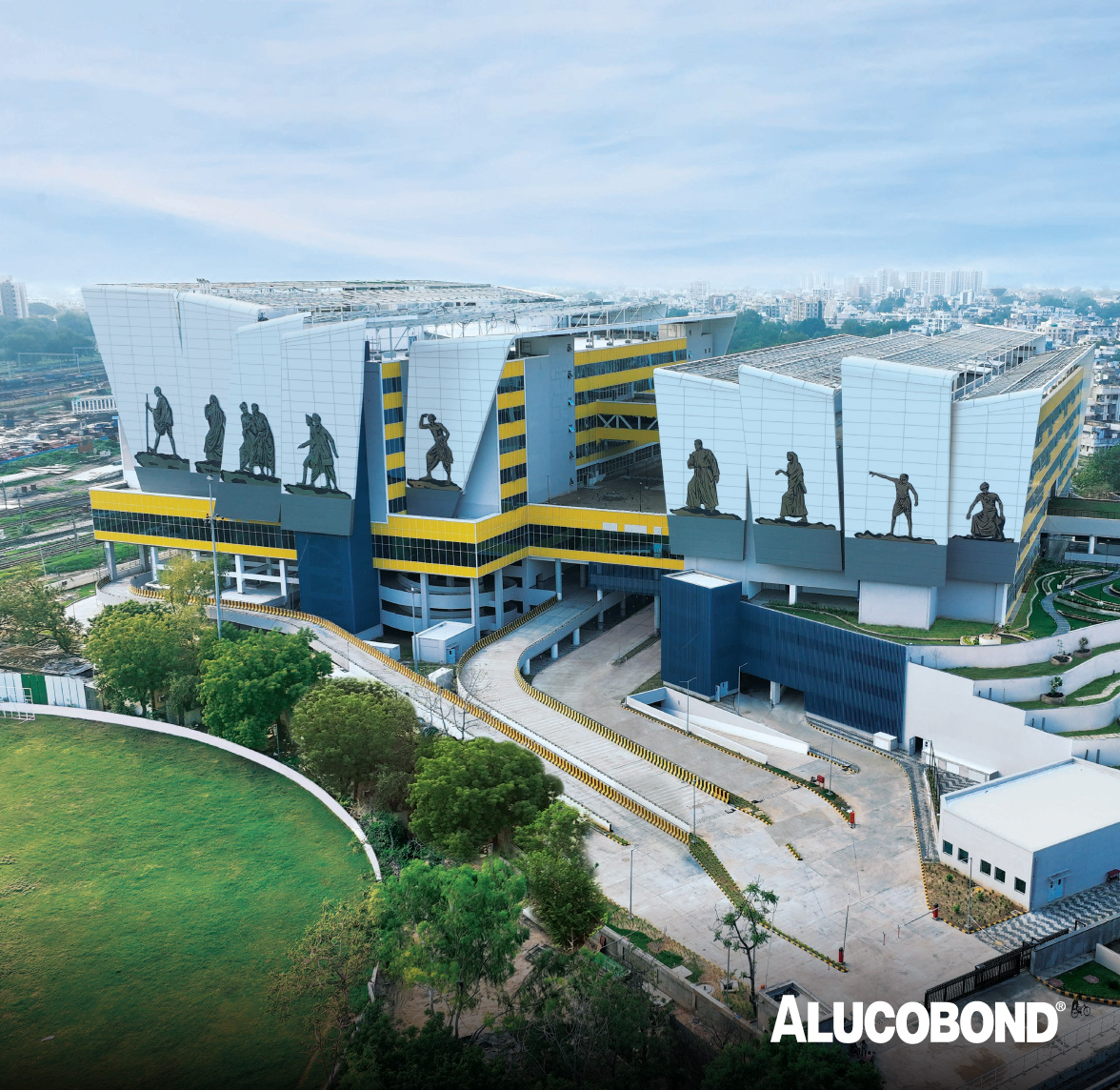
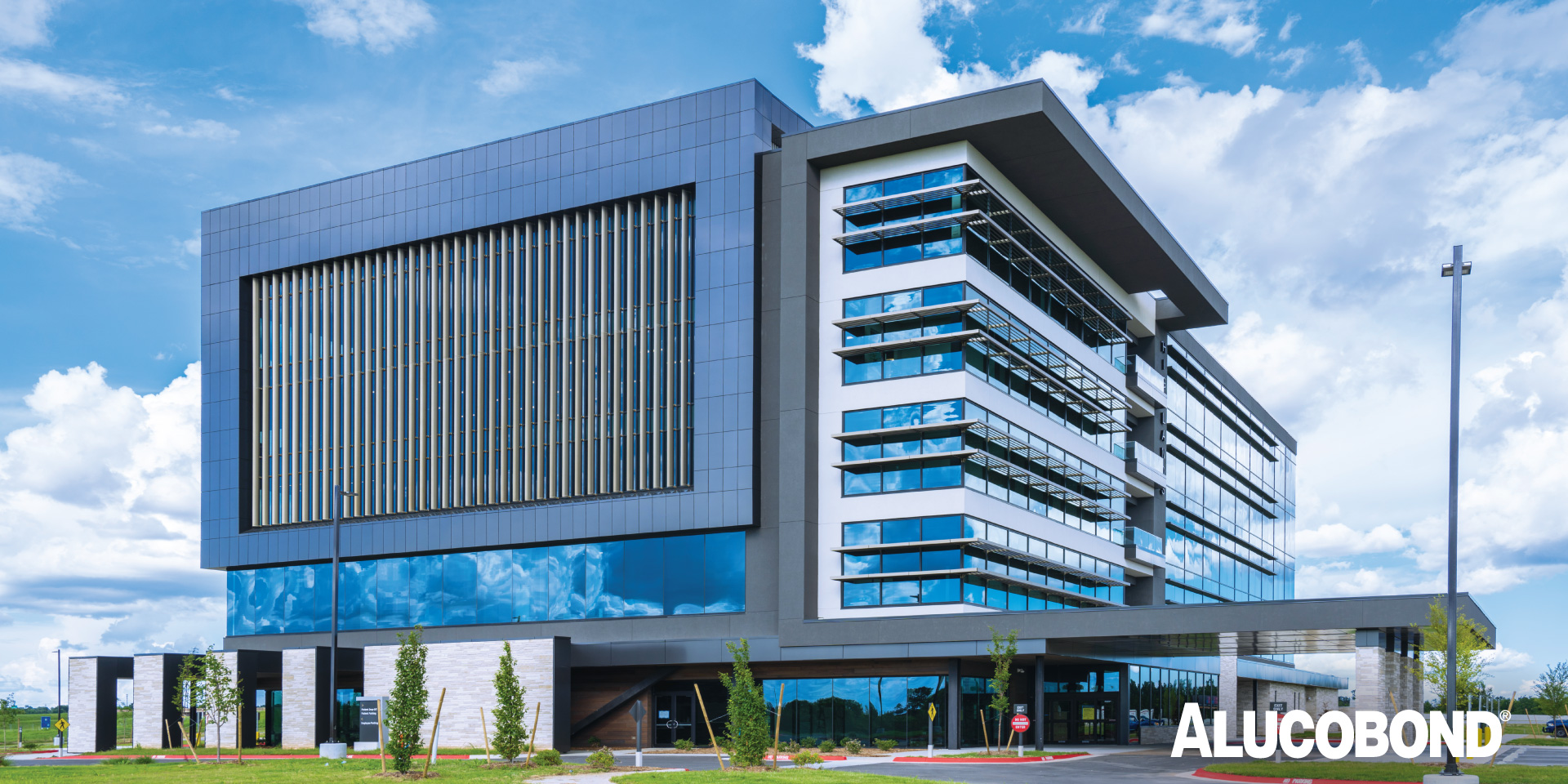
Project name: Sabarmati Highspeed Rail Terminal | Project Location: Ahmedabad, India | Product: ALUCOBOND® PLUS 4mm | Architect: Design workshop | Building Owner: HSR | Fabricator: B L Kashyap | Colour: Pure White 100, Smoke Grey 77151, Yellow 458, Bright Grey Metallic 77144 | Completed Year: 2023 | Photo Credit: Aesthetic Vision Facade Systems Pvt. Ltd.
India is not just building more. It is building smarter, faster and more responsibly. As cities expand and architecture becomes more ambitious, the facade has emerged as one of the most critical elements of a building. It is no longer treated as an external finish, but as a high-performance layer that defines identity, efficiency and long-term value.
In this context, ACP cladding trends in India are evolving rapidly, reflecting a shift towards smarter, lighter and more sustainable building envelopes. At the forefront of this evolution is ALUCOBOND®, consistently setting benchmarks in precision, performance and design excellence.
From Cladding to Capability
The role of ACP has expanded significantly over the years. What began as a solution for clean and uniform surfaces has evolved into one of the most preferred modern architecture materials, now enabling both design innovation and engineering performance, supporting:
- Complex geometries
- High-rise applications
- Integrated facade systems
- Performance-driven building envelopes
This transition reflects a larger industry shift from viewing facades as static elements to engineering them as intelligent, responsive architectural systems.
Sustainability Driving Material Choices
The conversation around sustainability has moved from intent to implementation. For facades, this means materials must contribute actively to reducing environmental impact. ACP panels support this shift through:
- Reduced structural load, enabling material efficiency
- Compatibility with energy-efficient facade systems
- Long lifecycle, reducing replacement frequency
- Recyclability, supporting circular construction practices
As ACP cladding trends in India continue to evolve, sustainability is becoming a defining parameter in material selection. ALUCOBOND® panels are developed with a long-term perspective where sustainability is engineered into the core.
Facade Systems Defining Modern Architecture
The future of facade design in India is not defined by a single system, but by a combination of approaches-each selected based on performance, scale and design intent.
Ventilated Facade
Increasingly adopted across commercial and institutional projects, ventilated facades introduce a cavity between the building and the cladding. This improves thermal regulation, moisture management and overall building durability.
Non-Ventilated Facade
In projects where simplicity and speed are priorities, non-ventilated systems remain relevant. With ACP, these facades continue to deliver clean visual lines, consistent surface quality and reliable performance.
Curtain Wall Systems
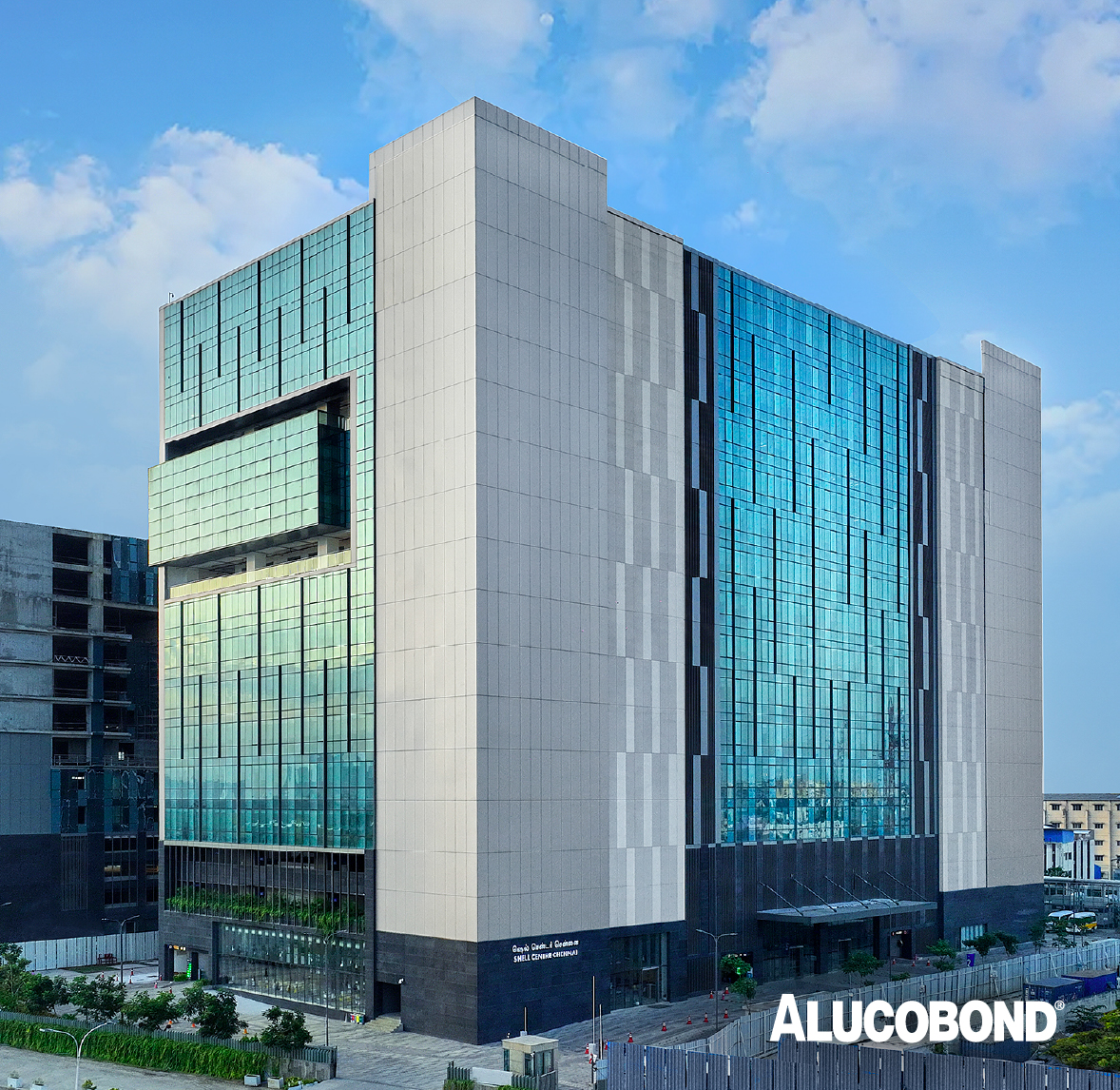
Project name: Commerzone | Product: ALUCOBOND® PLUS | Architect: Nataraj and Venkat Architect | Fabricator/Installer: Sree Mugambigai Glazing | Colour: Pure White 100, Smoke Silver Metallic 501 | Completed year: 2024
Contemporary architecture often combines transparency with solid elements. Curtain wall systems, when integrated with ACP, allow architects to balance glass and metal surfaces, introduce rhythm and contrast and enhance facade articulation.
Structural Glazing
Structural glazing creates sleek, uninterrupted glass surfaces that define contemporary architecture. ACP enhances these facades by introducing depth, character and contrast, bringing a refined balance between openness and architectural definition.
Double Skin & Dynamic Facades
Looking ahead, double skin facades represent a more advanced approach to building envelopes. These systems create an additional layer for insulation, enable controlled airflow and improve energy performance. ACP functions as a durable and adaptable outer layer, supporting both static and dynamic facade designs.
The Emergence of Smart Facades
Buildings are becoming more responsive and smart facades are central to this transformation. These systems adapt to sunlight, temperature and occupancy patterns. ACP plays a critical role in enabling smart facades by offering precision in fabrication, flexibility in installation and compatibility with advanced facade technologies.
Design Freedom with Material Precision
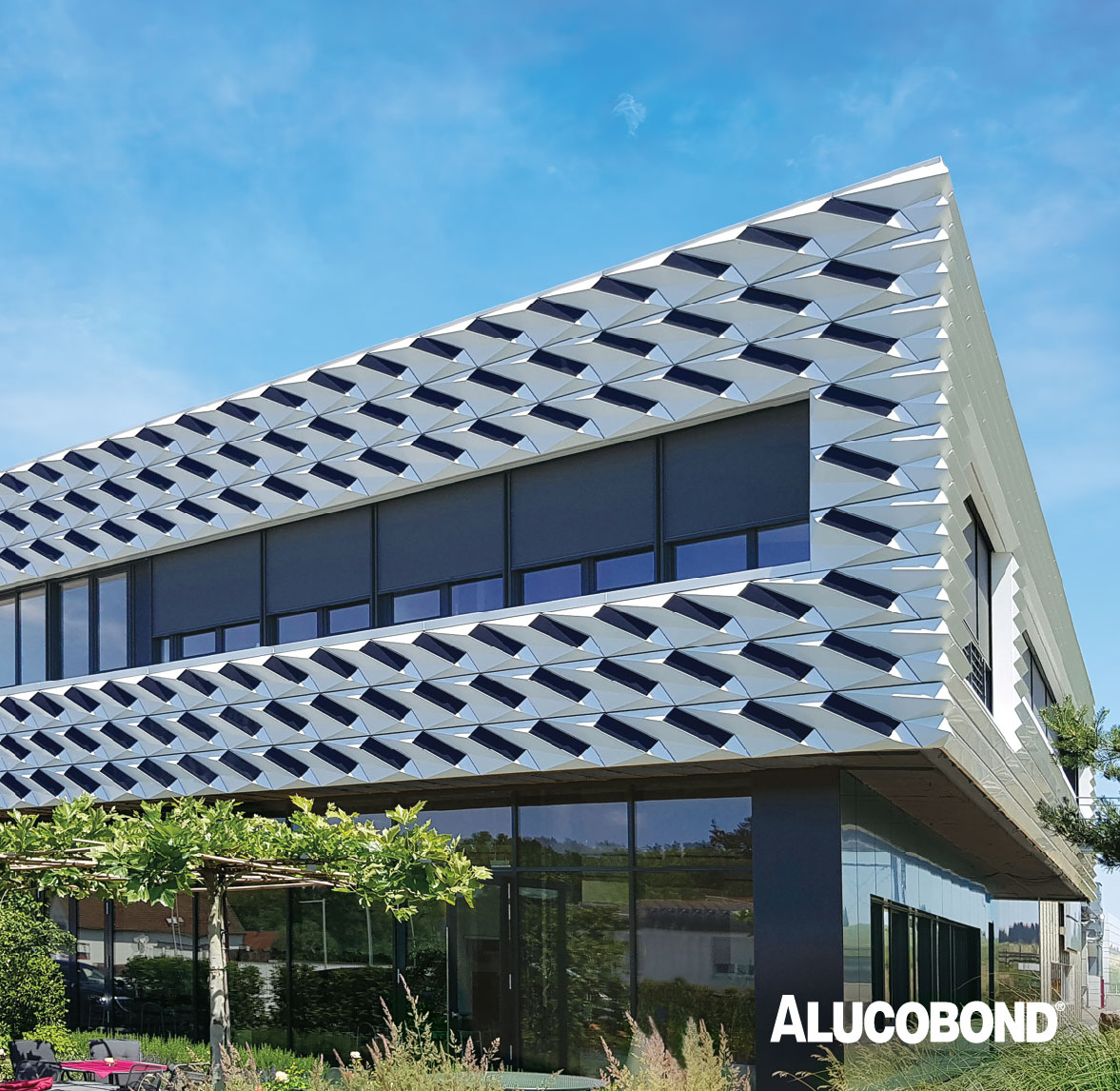
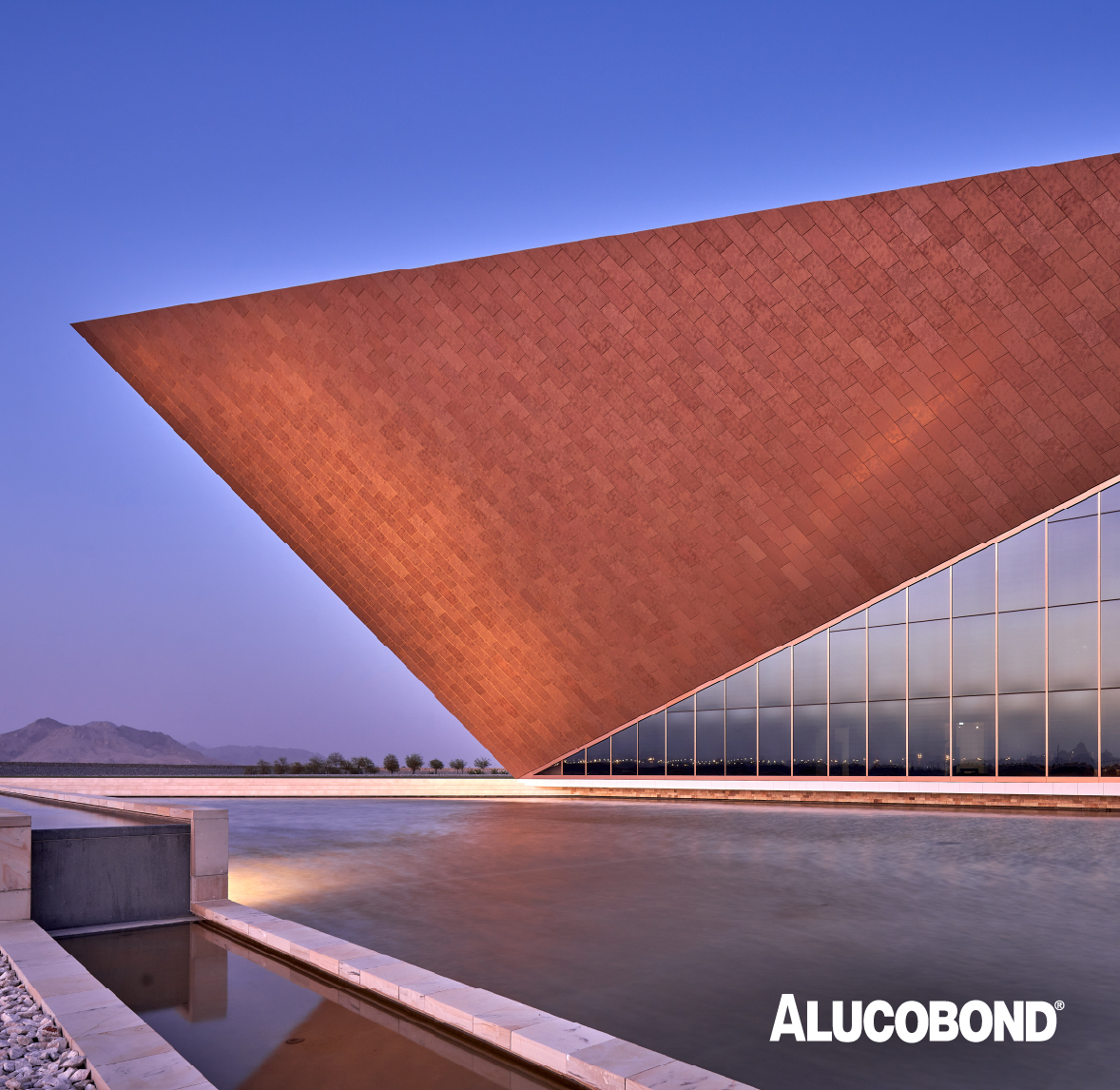
Architectural expression in India is becoming more experimental. Flat surfaces are giving way to folded forms, curved geometries and layered facade compositions. ACP has emerged as one of the most versatile modern architecture materials, enabling this level of design freedom without compromising on execution.
With ALUCOBOND®, architects have access to a wide spectrum of finishes, consistent colour quality and high-performance coatings (PVDF / FEVE coil coated), helping complex designs deliver precision, consistency and long-term durability.
Safety and Performance as Non-Negotiables
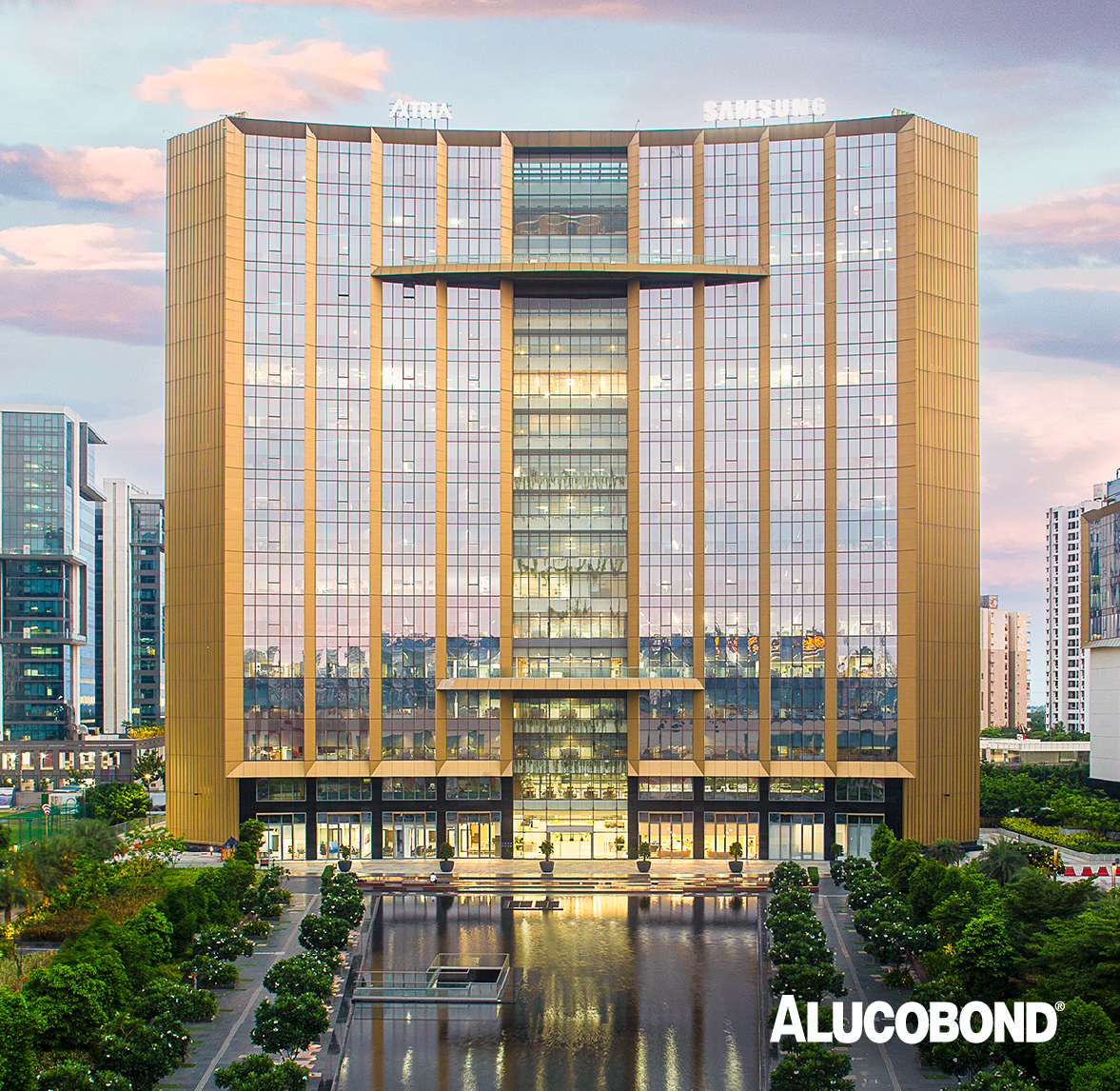
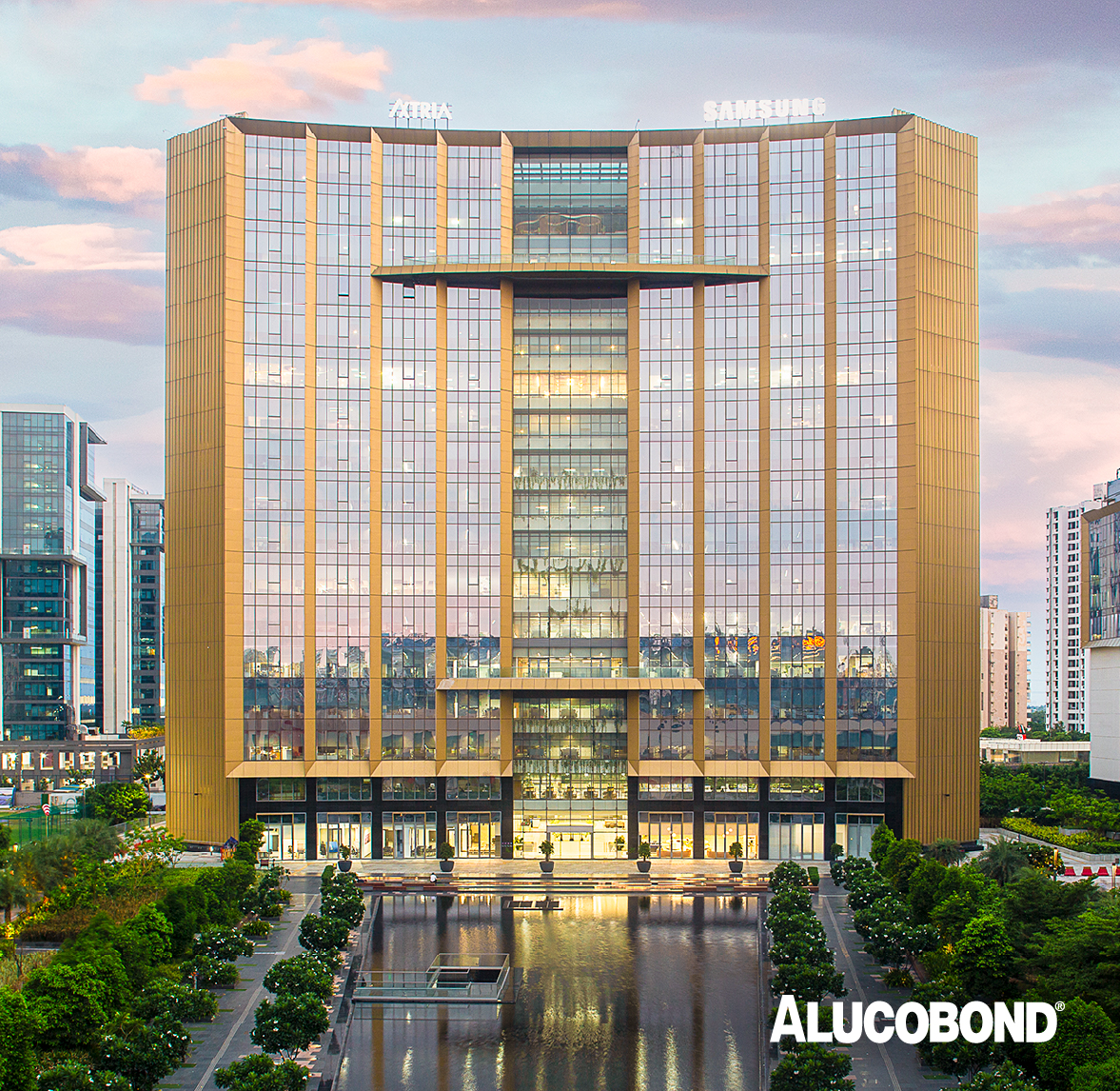
Project name: Candor | Product: ALUCOBOND® FR | Architect: RSP Design Consultants (India) Pvt. Ltd. | Fabricator/Installer: KSV Infra | Colour: Gold Metallic 601 | Completed year: 2021
As building standards evolve, facade materials are expected to meet higher benchmarks across fire safety, structural stability and long-term environmental exposure. ALUCOBOND®’s advanced core technologies and manufacturing precision ensure that performance is integrated into every panel by design.
Conclusion
The future of building facades in India is being shaped by innovation, sustainability and intelligent design. ACP cladding stands at the centre of this evolution-enabling the development of high-performance, visually striking and technologically advanced building envelopes.
With ALUCOBOND® leading this transformation, the next generation of facades will not only define skylines-they will redefine performance standards for the built environment.