


 India
India Africa
 Americas
 Europe
 Middle East
Common ACP Installation Mistakes & How to Avoid Them
- Home
- /
- Blog
- /
- ACP Installation Mistakes
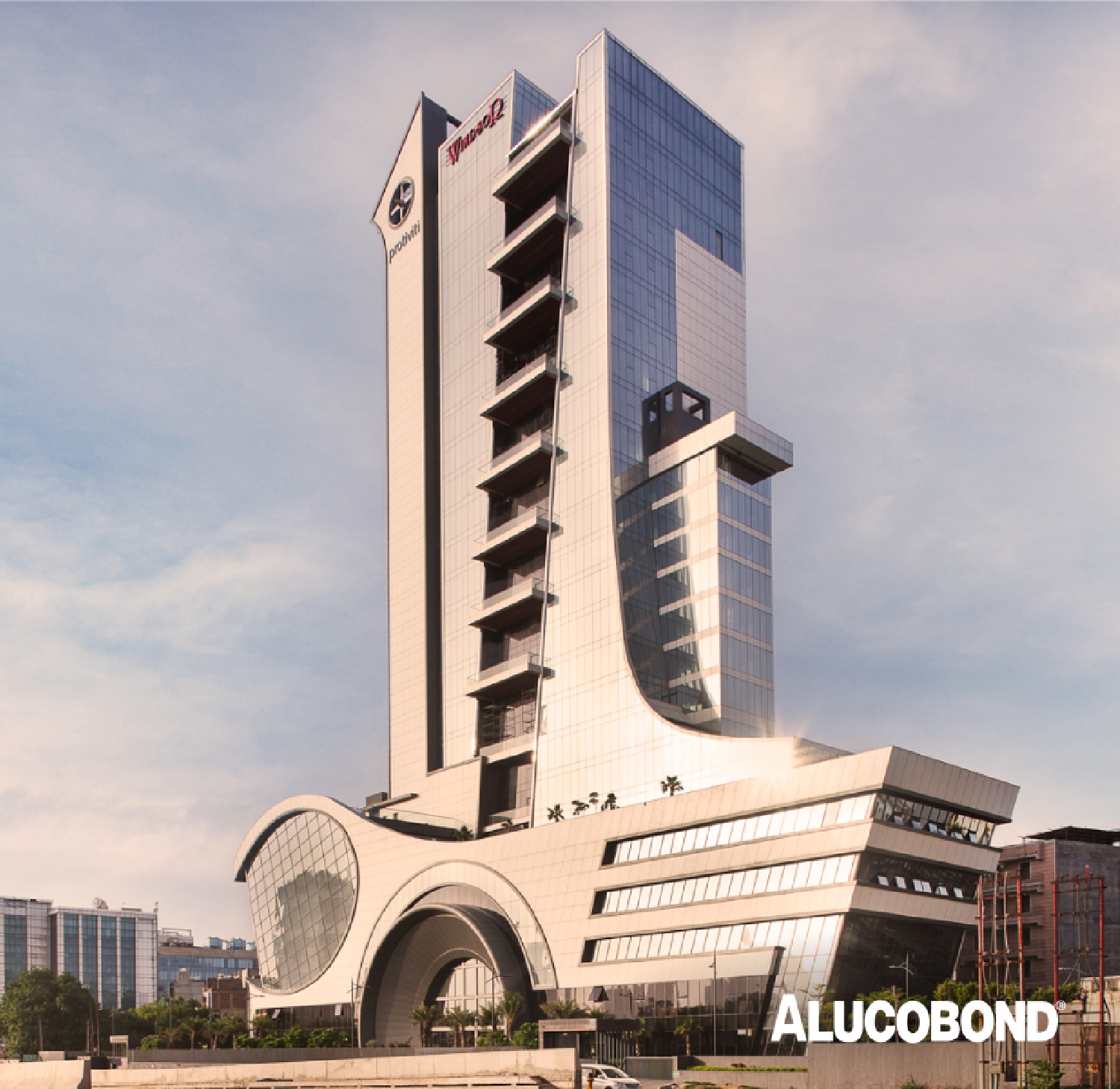
Project name: Windsor Grand | Project Location: Noida, India | Product: ALUCOBOND® | Architect: STA Design Studio Pvt. Ltd. | Building Owner: Star Propwell Pvt. Ltd. | Fabricator: Faalcon Concepts Pvt. Ltd. | Colour: Pure White 100 & Grey Metallic 502 | Completed Year: 2022
Aluminium Composite Panels (ACP) have become an integral part of modern architecture, enabling facades that are sleek, durable and design-forward. However, the long-term performance of any ACP facade depends not just on the material, but on how effectively it is designed, fabricated and installed.
Across projects, many facade failures can be traced back to common ACP installation mistakes-ranging from incorrect ACP fixing systems to poor material selection and inadequate installation practices. These ACP design errors not only impact aesthetics but also compromise structural stability and lifecycle performance.
Key ACP design errors are explained below, along with how ALUCOBOND® helps avoid them through a system-led solution.
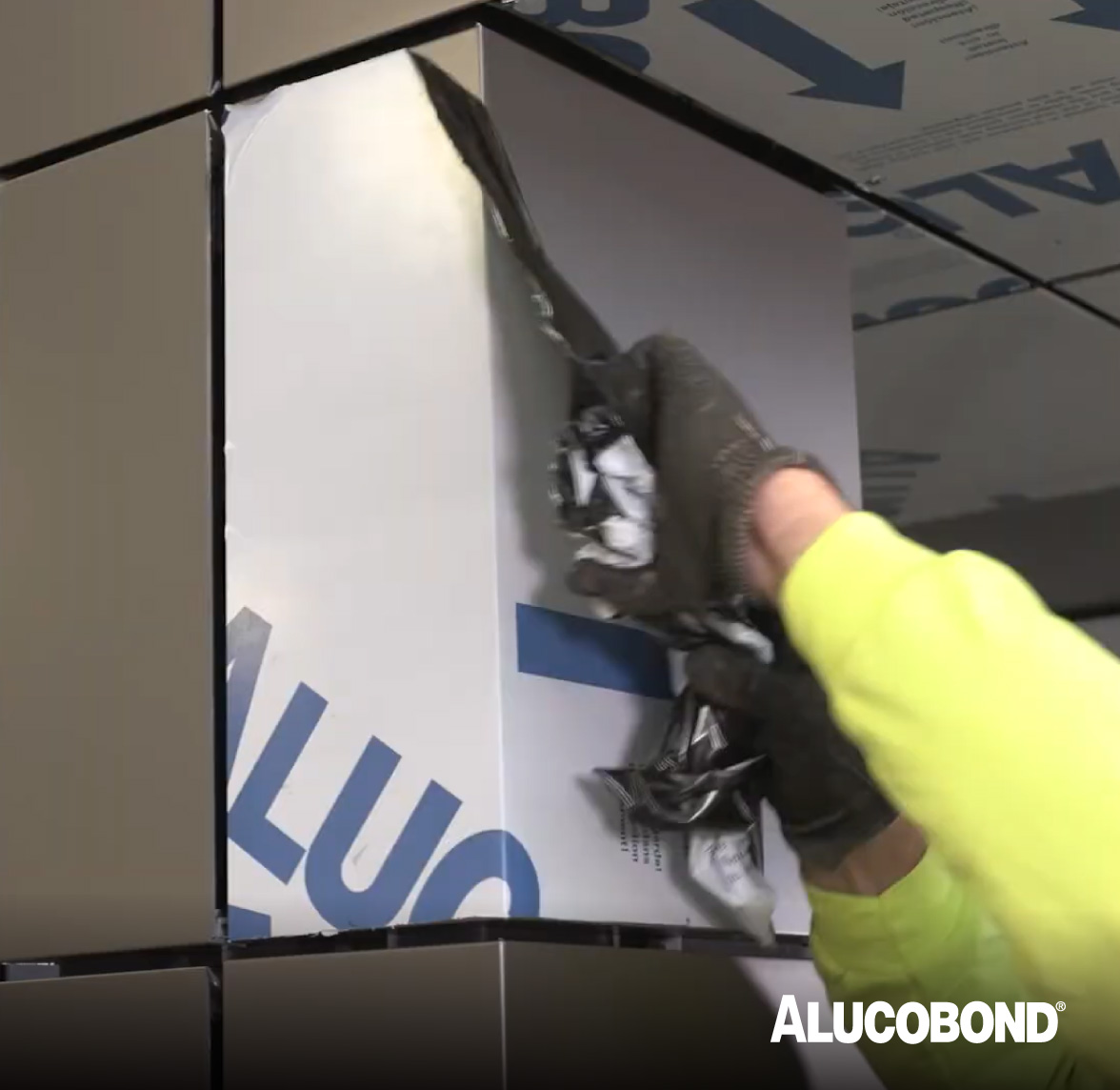
Incorrect ACP Fixing Systems
One of the most critical yet overlooked aspects of ACP installation is the selection of appropriate ACP fixing systems.
The Mistake
Using non-engineered or incompatible fixing methods often results in panel misalignment, uneven joints and long-term facade instability.
Why It Happens
Fixing systems are frequently treated as secondary components, leading to cost-driven decisions rather than performance-based selection.
The ALUCOBOND® Approach
ALUCOBOND® panels are supported by proven fixing systems and technical expertise, ensuring precise alignment, controlled panel movement and long-term durability.
How to Avoid It
- Adopt tested and engineered ACP fixing systems
- Follow system-based installation rather than generic methods
- Ensure proper load distribution and allowance for thermal movement
Choosing the Wrong ACP Panel Thickness
Incorrect selection of ACP panel thickness is another common issue that directly affects facade performance.
The Mistake
Using thinner or inconsistent panels can lead to waviness, reduced rigidity and compromised wind-load resistance.
Why It Matters
Panel thickness defines the strength, flatness and durability of the facade-especially in exterior applications.
The ALUCOBOND® Advantage
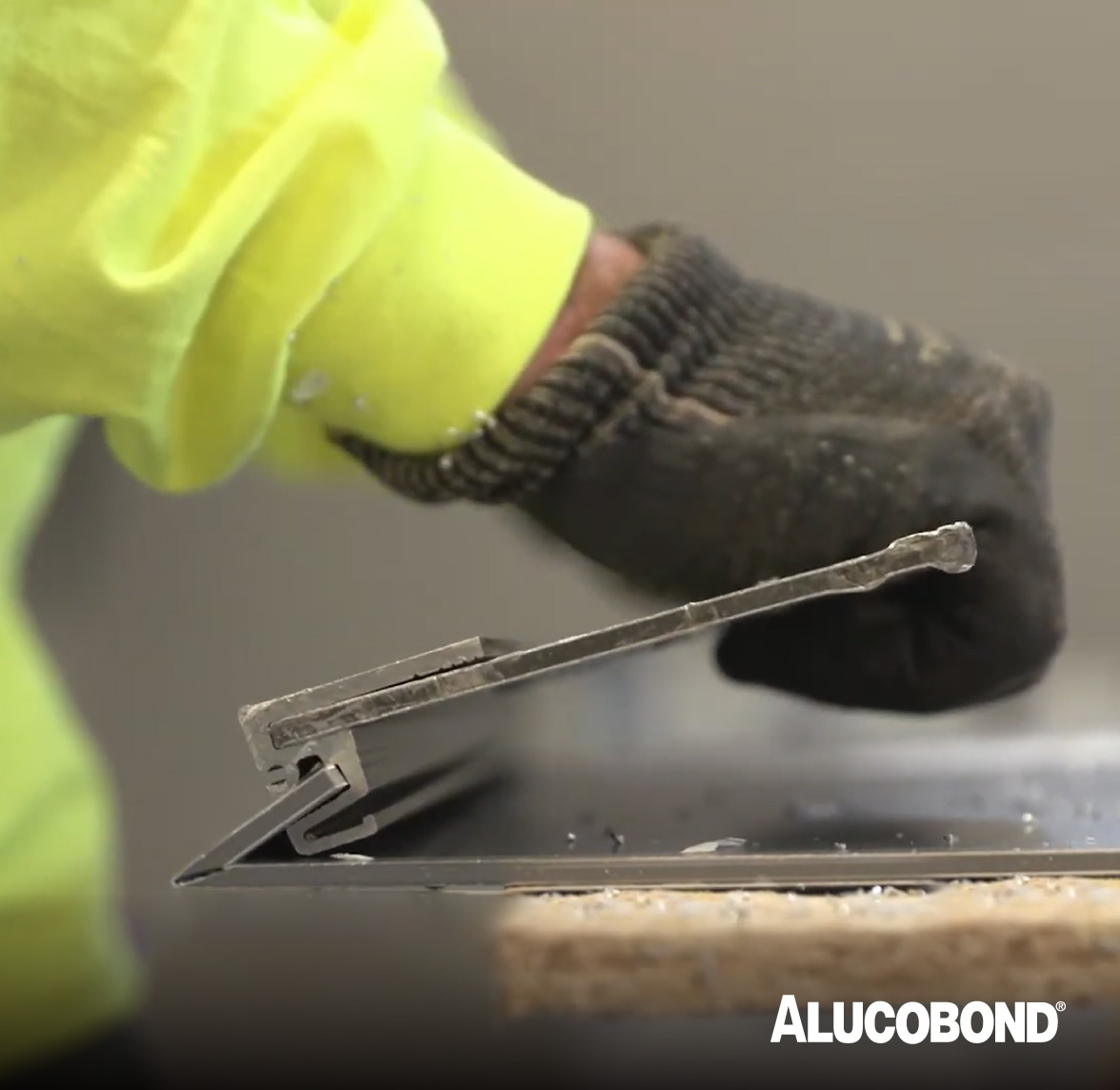
ALUCOBOND® panels are engineered with 0.5mm aluminium skins and a precision-engineered mineral core, delivering exceptional consistency, structural integrity and enduring flatness.
How to Avoid It
- Specify standard 4mm ACP panel thickness for facade applications
- Ensure uniform thickness across panels
- Select globally certified, high-performance ACP systems
ACP Design Errors in Substructure
Many ACP design errors in facade systems originate at the substructure level, which forms the backbone of the facade system.
The Mistake
Improper alignment of the supporting framework leads to uneven panel joints, distorted surfaces and increased structural stress.
Why It Happens
- Lack of precision during installation
- Absence of proper grid planning
- Poor coordination between design and execution
The ALUCOBOND® Approach
ALUCOBOND® supports projects with technical consultation and system-based facade planning, ensuring precision from design to installation.
How to Avoid It
- Ensure accurate grid layout and alignment
- Use proper tools for leveling and positioning
- Integrate design, fabrication and installation stages
Ignoring Thermal Expansion & Movement
ACP panels expand and contract with temperature changes. Ignoring this is one of the most common ACP installation mistakes.
The Mistake
Lack of expansion gaps leads to panel warping, bulging or cracking over time.
The ALUCOBOND® Advantage
With engineered systems, ALUCOBOND® ensures controlled movement, allowing facades to adapt to environmental conditions without compromising performance.
How to Avoid It
- Maintain recommended expansion gaps
- Use flexible joint systems
- Consider environmental factors during installation
Poor Sealant & Joint Detailing
Sealants play a key role in facade performance, yet they are often incorrectly applied.
The Mistake
Improper sealing results in water seepage, staining and reduced facade lifespan.
Root Cause
Incorrect sealant selection, poor surface preparation and uneven application.
The ALUCOBOND® Advantage
ALUCOBOND® systems ensure compatibility across components, helping maintain clean, durable and low-maintenance facades.
How to Avoid It
- Use high-performance, compatible sealants
- Ensure clean and dry surfaces before application
- Maintain uniform joint depth and width
Panel Failure Due to Improper Specification & Handling
Panel issues such as peeling, bubbling or surface irregularities are among the most critical concerns in ACP applications and often become visible after installation.
The Mistake
Overlooking proper specification, handling or fabrication practices during the project lifecycle.
Why It Happens
- Inadequate evaluation of product standards and performance criteria
- Improper storage, routing or fabrication techniques
- Deviation from recommended system and application guidelines
The ALUCOBOND® Advantage
ALUCOBOND® is engineered with precision-controlled manufacturing processes and a rigorously formulated mineral core, ensuring long-term panel integrity and consistent performance.
How to Avoid It
- Specify certified and performance-tested ACP systems
- Adhere to recommended fabrication and handling practices
- Partner with trained and experienced fabricators
Ignoring Established ACP Installation Guidelines
ACP installation is often treated as a basic cladding activity rather than a system-driven process.
The Mistake
Ignoring a structured facade installation guide is one of the most critical ACP installation mistakes, leading to inconsistent workmanship and long-term performance issues.
The ALUCOBOND® Advantage
ALUCOBOND® provides:
- Technical support
- Fabrication guidance
- Proven global systems
How to Avoid It
- Follow a structured facade installation guide
- Work with trained fabricators and installers
- Ensure quality checks at every stage
Conclusion
Most ACP installation mistakes and ACP design errors are preventable and typically arise from gaps in system selection, design coordination and execution.
By addressing key aspects such as proper ACP fixing systems, correct ACP panel thickness and a structured facade installation guide, projects can achieve facades that are not only visually refined but also engineered for long-term performance.
With ALUCOBOND®, the approach goes beyond selecting a material. It is about adopting a complete, system-driven facade solution backed by decades of global expertise, precision engineering and proven performance.